

Vaginal Tightening with Ultra Femme 360
Vaginal Tightening for Urinary Incontinence Inverness
A Practitioner’s Perspective
As a practitioner, I have the privilege of working with some of the most advanced medical technologies available. It takes a great deal to genuinely impress me.
Ultra Femme 360 did.
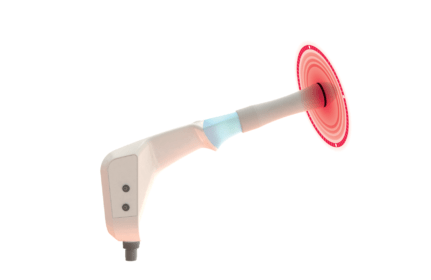
During treatment, you can visibly observe tissue responding to radiofrequency energy in real time. There is a noticeable change in tone and tissue quality externally, and internally the support and tightening effect develops progressively over the course of treatment. It is one of the few non-surgical devices where the physiological response is both observable and measurable over time.
BTL technology has consistently set a high benchmark in energy-based treatments, and Ultra Femme 360 is no exception.
Why This Treatment Matters — Especially in Menopause
If I’m honest, earlier in my career I never thought vaginal tissue would be something I’d professionally focus on. But as menopause approaches — and as I move towards my 50s — I’ve become increasingly interested in how the body changes, and how collagen loss affects every tissue, not just the face.
We talk openly about facial ageing, skin laxity, and volume loss — but rarely about the mons pubis, labial tissue, or vaginal support. Yet these tissues are just as influenced by hormonal shifts and collagen decline.
With menopause, collagen production reduces significantly. Fat distribution changes. Skin elasticity alters. The mons pubis can lose firmness. External tissues may appear less supported. Internally, elasticity and lubrication may change.
For many women, these changes are subtle. They don’t dominate daily life. But once you understand what’s happening physiologically, it’s difficult to ignore.
And if there is a safe, non-surgical option to support tissue health — why wouldn’t we at least explore it?
Intimate Ageing Is Still Ageing
We readily treat:
Facial laxity
Neck sagging
Volume loss
Skin thinning
Yet intimate tissues are composed of the same collagen-dependent structures.
Ultra Femme 360 offers a way to address:
Vaginal laxity
Labial tissue changes
Mons pubis soft tissue changes
Menopause-related collagen decline
All without surgery.
A Balanced, Evidence-Aware Approach
It’s important to say clearly: energy-based vaginal treatments are still an evolving field. Outcomes vary, and high-quality long-term data is still developing.
At Clinic M Medical in Inverness, this treatment is offered following:
Thorough consultation
Clear discussion of realistic expectations
Consideration of first-line GSM treatments where appropriate
Careful patient selection
This is not about vanity.
It is about understanding anatomy, physiology, and giving women informed choices.
A Personal Reflection
Ageing is humbling, and some of us are lucky enough to experience it. There are changes I never expected to notice — let alone care about. But medicine teaches you something fascinating: awareness changes perception.
When you understand tissue behaviour, collagen decline, fat redistribution, and hormonal impact, you begin to see ageing differently.
Ultra Femme 360 isn’t about chasing youth. It’s about maintaining tissue quality — in the same way we maintain skin, bone density, or muscle mass.
And that, to me, is simply good medicine.
How does RF vaginal tightening work?
Ultra Femme 360 uses controlled radiofrequency vaginal rejuvenation technology. In aesthetic medicine, RF is widely used to heat tissue in a measured way, which can stimulate remodelling responses over time. For intimate treatments, the intended outcome is support for tissue tone and comfort, with results building gradually across a course of sessions.
Clinical literature on transvaginal radiofrequency for concerns like vaginal laxity and mild urinary leakage is still evolving; some studies report improvements, while reviews highlight the need for higher-quality trials and consistent outcome measures.
Ultra Femme 360 as a menopause intimate rejuvenation option
Ultra Femme 360 is also requested as a sexual rejuvenation treatment, particularly around perimenopause and menopause.
During menopause, collagen and tissue elasticity change, and many women develop genitourinary syndrome of menopause (GSM) — a collection of vulvovaginal and urinary symptoms linked to oestrogen decline. GSM may affect a large proportion of postmenopausal women, with prevalence estimates commonly reported across a wide range (for example, 27–84% in published reviews).
GSM can include:
Vaginal dryness
Itching / irritation
Discomfort with intimacy
Lowered libido
Loss of sensitivity in vaginal and surrounding tissues
(And for some women, urinary symptoms such as frequency/urgency or leakage.)
At Clinic M Medical in Inverness, we’ll always discuss GSM in a whole-health, evidence-based way — including gold-standard medical options (like moisturisers/lubricants and, when appropriate, vaginal oestrogen or other prescribed treatments) and where energy-based treatments may or may not fit.
Why women choose Clinic M Medical Inverness:
People searching “Ultra Femme 360 near me” usually want:
A discreet, medical setting
Clear, honest guidance on what’s realistic
A personalised plan (especially for menopause vaginal rejuvenation UK queries)
At Clinic M Medical, Inverness, your consultation will focus on:
Your symptoms and goals (postpartum, menopause, confidence, comfort)
Suitability and contraindications
Expected outcomes and timeline
Aftercare and maintenance