

Postural Tachycardia Syndrome (POTS) Inverness
Postural orthostatic tachycardia syndrome (POTS) is a condition that causes a number of symptoms when you transition from lying down to standing up, such as a fast heart rate, dizziness and fatigue. While there’s no cure, several treatments and lifestyle changes can help manage the symptoms of POTS.
People with POTS tend to pool a larger amount of blood in vessels below their heart when they stand. Their body responds by releasing more norepinephrine or epinephrine to try to cause more squeezing of their blood vessels. For several reasons, their blood vessels don’t respond normally to these hormones. Because their heart remains able to respond to the norepinephrine and epinephrine, their heart rate often increases.
This imbalance causes many possible symptoms, such as dizziness, fainting and exhaustion.
-

- Consultant Cardiology
-
- PoTS Clinic Inverness

-
- Postural Tachycardia Syndrome (POTS)
Postural orthostatic tachycardia syndrome (PoTs) is a chronic, multi system disorder involving the autonomic nervous system with an estimated prevalence of 0.1%–1%. It usually affects adolescent girls and young adult women, so the prevalence is higher in this population and lower in men and older people. POTs is a heterogeneous syndrome, with multiple causes that can produce a similar clinical phenotype.
PoTS occurs due to abnormal response by the autonomic (involuntary) nervous system to standing up. When a healthy person stands up, blood vessels narrow, and heart rate increases slightly to maintain blood supply to the heart and the brain. In PoTS, a disorder of the autonomic nervous system, this automatic adjustment to upright posture is not working correctly, resulting in an excessive rise in heart rate, increased norepinephrine level in blood and altered blood flow to the brain.
By definition, PoTS is described when we see a sustained heart rate increase of 30 beats per minute or more in upright position associated with orthostatic symptoms, without a clinically meaningful decrease in blood pressure. Symptoms have been present for 3-6 months. PoTS is more common in females, age 13-50 years old.
In Clinic M Inverness, we recognise that the patients with POTS can experience functional disability, with a limited ability to work, to go to school or university, and a decreased quality of life. They may also suffer from the loss of income.
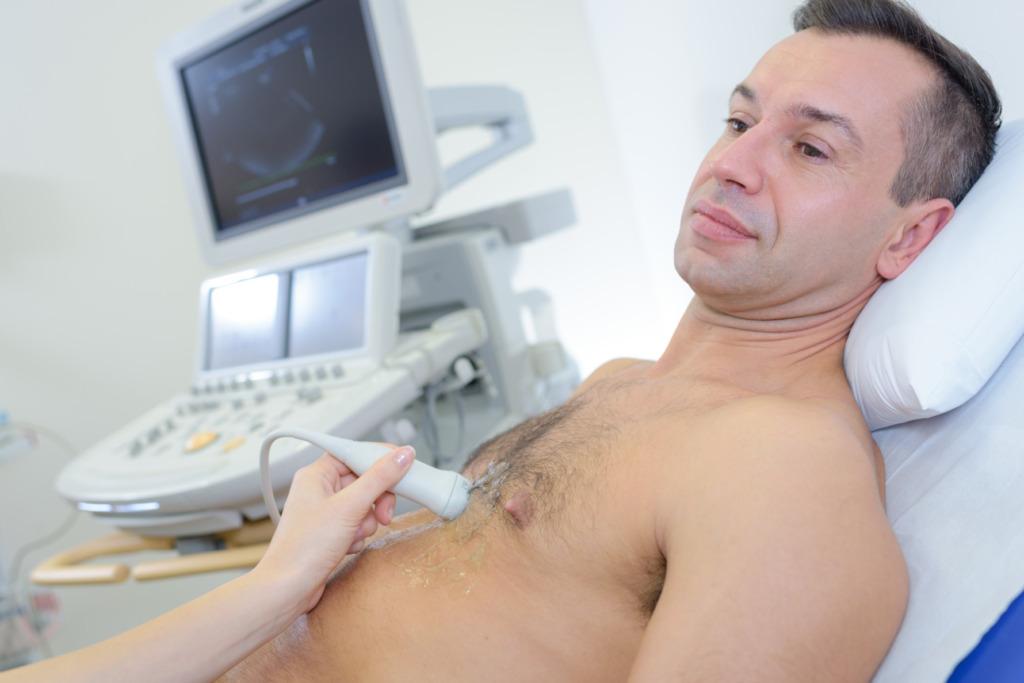
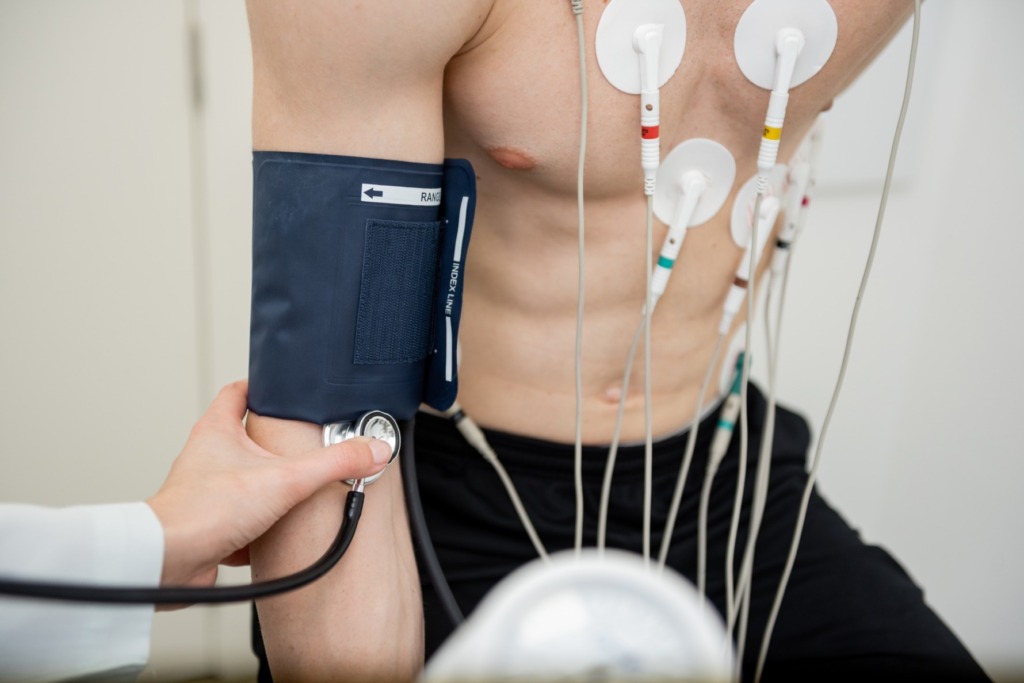
Our cardiac physician is supported by the specialist team to help this particular group pf patients. By being seen in the clinic, you will have an understanding of the condition when the actual diagnosis is made. Your clinical history would be taken and physical examination being performed, plus undertaking relevant investigations including blood tests, ECG, cardiac Holter monitoring, ambulatory blood pressure monitoring, echocardiogram and exercise test.
Symptoms of PoTS may include:
- Dizziness, pre-syncope (almost fainting)
- Syncope (fainting)
- Palpitation (awareness of the heart beat)
- Headache (orthostatic due to upright posture) or migraine
- Brain fog (difficulty in thinking)
- Tiredness
- Sense of anxiety
- Shakiness
- Visual problems (tunnel or glare)
- Gut problems (nausea, pain, diarrhoea)
- Sweating
- Chest pain
- Poor sleep
- Purplish discoloration of skin
- Urinary symptoms
Dr Mehran Asgari M.D was a member of the clinical subject matter expert group at the Scottish National Health Service. He drafted the first GP guidelines in PoTS assessment for NHS Scotland and wrote the first booklet on ” Exercise Rehabilitation for PoTS Patients”. Dr Asgari is responsible for setting up the only NHS specialist clinic for PoTS patient’s in the Highlands. Now, that NHS Highland has ceased providing a service for these patients, Dr Asgari is accepting patients privately at Clinic M Inverness to continue his valuable work in treating PoTS. We are very lucky to have such dedicated and thoughtful person to raise awareness of this life changing conditions. Welcome Dr Asgari.
If you would like more information about our clinic please contact reception 01463 217817
Frequently Asked Questions
Is PoTS a serious condition?
While POTS isn’t life-threatening, it can greatly interfere with daily living and tasks. The good news is that a variety of treatments and strategies can help improve symptoms.
How is postural orthostatic tachycardia syndrome (POTS) diagnosed?
POTS can be difficult for healthcare providers to diagnose due to the many symptoms that can occur over time. People with POTS may have symptoms for months to years before finally being diagnosed with the condition.
A healthcare provider will ask questions about your symptoms, medications and medical history. They’ll also perform a physical exam.
A tilit table test is the main way providers diagnose POTS. The tilt table test measures your heart rate and blood pressure as you change posture and position. Besides the tilt table test, your provider may order other tests to help confirm a POTS diagnosis or rule out other possible causes of your symptoms.
What is the treatment for postural orthostatic tachycardia syndrome (POTS)?
There is no 100% cure in some cases of PoTS, so it is challenging. Nevertheless, early detection and multidisciplinary team approach in a PoTS specialist clinic prove most beneficial. Main management strategies include;
– Education
– Medication revision and/or pharmacological intervention
– Physical training under specialist guidance (some patients can’t tolerate or benefit from exercise until they have achieved better medication control). Exercise is regarded as a type of non-pharmacological therapy with several advantages. Increased physical fitness counteract orthostatic intolerance, consist of a larger blood volume, larger heart and cardiac output, enhanced vascular compression by increased muscle tissue.
– Pharmacological Intervention
– Lifestyle changes including fluid and salt intake, dietary modifications, postural changes, wearing compression garments, thermoregulation etc.
When should I see my healthcare provider about POTS?
If standing up causes unusual symptoms, such as lightheadedness and a pounding heart rate, see a healthcare provider.
If you have POTS, try to see a healthcare provider who specializes in POTS to get the best care. You’ll also need a primary care physician to go to for routine care and health wellness management.
What do I do when I have a PoTS diagnosis?
Learning that you have postural orthostatic tachycardia syndrome (POTS) can be overwhelming. Know that there are several treatments and lifestyle adaptations that can help you to manage your symptoms. No two people with POTS are affected in the same way, so it’s important to receive individualised care that is unique to your situation. Do not be afraid to ask your healthcare provider questions about POTS. They’re available to help you.
Most Popular Treaments …


Book Your Consultation Today
Speak to one of our experienced clinicians today
and start your healthcare journey with Clinic M.